Posting Yourself Into Obscurity: How High Volume Kills Your Best Tweets
There's a hustle-culture myth baked into social media advice that refuses to die: post more, grow faster. It sounds logical on the surface. More content equals more chances to go viral, right? But if you've been logging your Twitter data seriously — and if you're using Twiplog, you probably are — the numbers often tell a very different story.
What the data actually shows is something we've started calling the Tweet Graveyard Effect. It's what happens when your own posting frequency quietly smothers your best-performing content before it ever gets a real shot at sustained reach.
What the Tweet Graveyard Effect Actually Looks Like
Imagine you post a genuinely great tweet on a Monday morning. It picks up solid engagement in the first two hours — good replies, strong retweet velocity, a handful of bookmarks. The algorithm notices. It starts distributing that tweet to a slightly wider audience beyond your immediate followers.
Then Tuesday rolls around. You post three more times. Wednesday, four more. By Thursday, that Monday tweet is effectively six posts deep in your own timeline. For anyone scrolling your profile directly, it's already ancient history. More importantly, X's recommendation engine is now splitting its attention across all your newer posts. The momentum your Monday tweet had built? It got diluted and then abandoned.
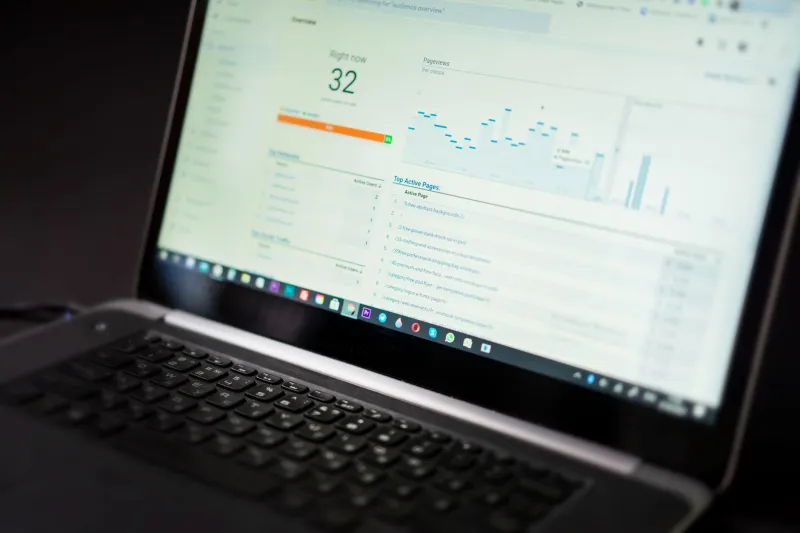
This isn't speculation. When you track impression curves over time using a structured logging system, you can literally watch the decay accelerate on high-perform posts during heavy posting weeks versus lighter ones.
Why the Algorithm Doesn't Reward Volume the Way You Think
X's ranking system isn't a simple chronological feed anymore — it's a relevance engine. But relevance has a ceiling, and your own account's output competes with itself for that ceiling.
Here's the core issue: when you post at high frequency, you're essentially asking X to simultaneously vouch for multiple pieces of content from the same source in a short window. The system doesn't have infinite promotional bandwidth to give every post full distribution. It makes triage decisions. Newer posts get fresh consideration. Older posts — even ones with strong engagement signals — get deprioritized in favor of whatever just came off the press.
The irony is brutal. The tweet that was genuinely resonating gets sacrificed on the altar of the tweet you dashed off just to "stay consistent."
What Twiplog's Logging Methodology Reveals About Cadence
When you start systematically logging your post times, impression curves, engagement rates, and follower response patterns over several weeks, patterns emerge that no dashboard metric will hand you on its own.
A few things Twiplog users consistently find when they audit their posting frequency data:
The 18-to-36-hour engagement window is real. Most tweets that are going to perform well show the bulk of their activity within the first day and a half. But tweets that hit a strong early engagement signal sometimes get a secondary distribution push from X around the 20-to-30-hour mark — especially if they've accumulated bookmarks or profile clicks. Heavy posting during that window cuts that second wind off at the knees.
Lower-volume weeks produce higher per-tweet performance. When creators pull back from five or six posts a day to two or three, individual tweet performance almost always improves. Not because the content is better necessarily, but because each post gets a longer uninterrupted runway before the next piece of content competes with it for algorithmic attention.
Your top 20% of posts need breathing room. Log your tweets for 30 days and sort by impressions-per-follower ratio. Chances are, a small cluster of posts is driving a disproportionate share of your total reach. Now cross-reference those with how many other posts went live in the 24 hours after each one. You'll almost certainly find your graveyard pattern right there.
Finding the Sweet Spot Without Going Dark
The goal isn't to post once a week and hope for the best. Consistency still matters for audience expectation, follower trust, and staying in the algorithm's active-creator category. The question is what "consistent" actually means for your specific account.
A few practical calibration moves:
Space posts by at least four to six hours. This gives each tweet enough isolated time to accumulate engagement signals before the next one enters the mix. Stacking posts within the same hour is almost always a net negative for reach.
Identify your highest-traffic time blocks and don't crowd them. If your audience is most active between 7 and 10 AM Eastern, don't post three times in that window. Post your strongest piece there and let it breathe. Save secondary content for off-peak hours.
Log your "sacrifice posts." These are the low-effort, filler tweets you send just to hit a posting quota. Start tracking whether they're actually generating meaningful engagement or just cannibalizing the reach of the content around them. Most creators find that cutting sacrifice posts improves their overall account metrics within two to three weeks.
Treat evergreen tweets like assets, not archive entries. Some of your older tweets have genuine long-term value — threads, takes that age well, data-backed observations. Heavy posting buries them faster than organic decay would. If you're logging your content library properly, you can identify which old posts are worth re-engaging (via quote tweet or direct reply) rather than constantly generating net-new content to fill volume.
The Mindset Shift That Changes Everything
Most creators measure posting success by output volume. Twiplog's whole approach is built on measuring it by data outcomes — what did each post actually accomplish, and what conditions were present when it worked?
Once you start thinking about your Twitter feed as an ecosystem instead of a content conveyor belt, the graveyard effect becomes obvious. You've been burying your own best work. The fix isn't complicated — it's just uncomfortable for anyone who's been told that more is always more.
Log the data. Audit the cadence. Give your best tweets room to run before you post the next thing. The creators who are winning on X right now aren't necessarily the ones posting the most — they're the ones who've figured out exactly how much is enough.